The Enduring Appeal of Erzgebirgskrimi: A Deep Dive into 'Mordholz'
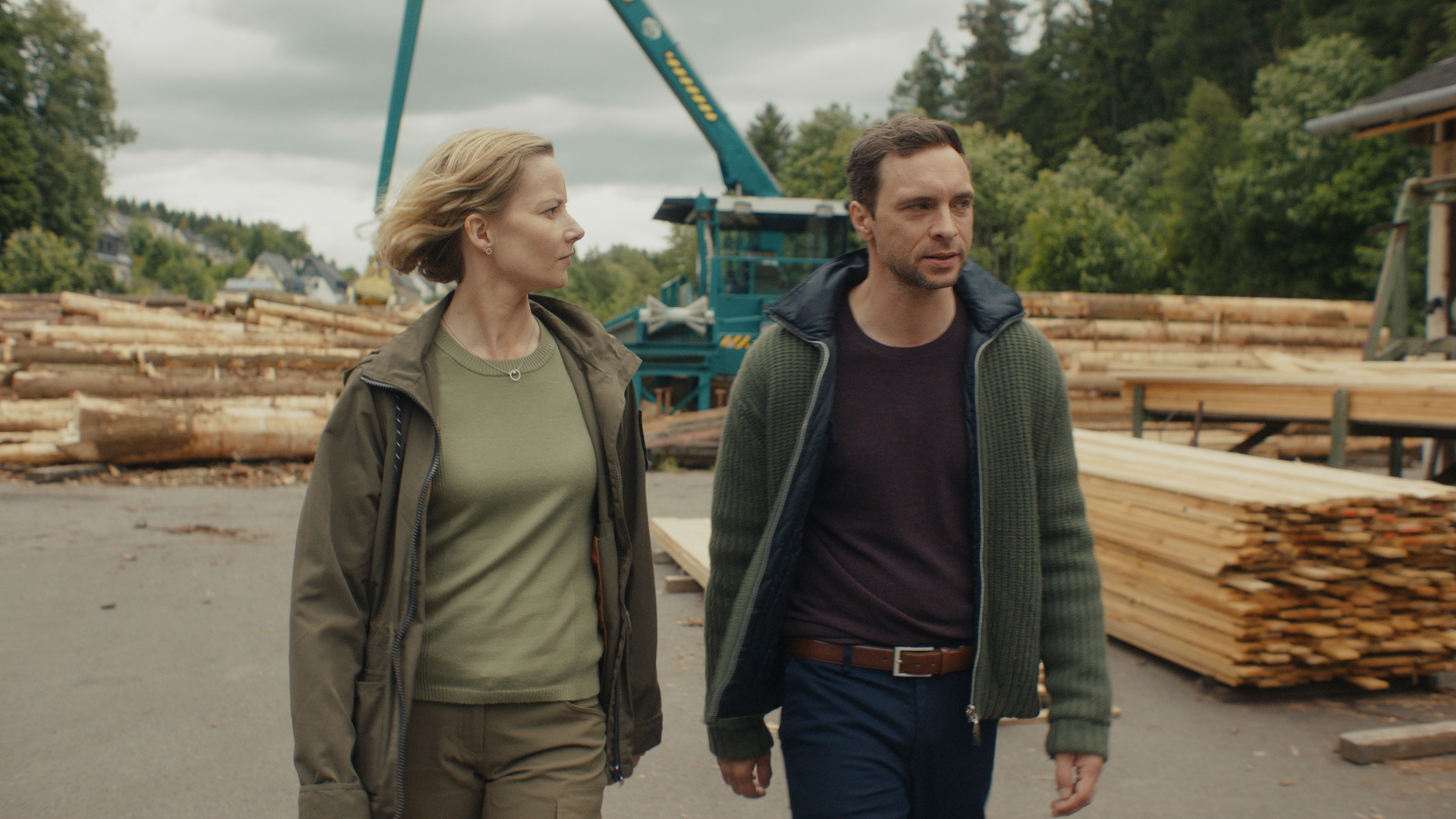
The German crime series "Erzgebirgskrimi" has firmly established itself as a cornerstone of ZDF's Friday night lineup, drawing viewers into the picturesque yet often mysterious landscapes of the Ore Mountains. Renowned for its blend of gripping crime plots, intricate character developments, and a deep appreciation for regional culture, the series consistently delivers compelling television. One of its most anticipated installments, Erzgebirgskrimi: Mordholz, stands out not only for its intricate storyline but also for significant shifts in its beloved characters and a particularly strong showing from its ensemble. After a brief postponement due to sporting events, the 14th "Erzgebirgskrimi" episode finally premiered, captivating audiences with its dark secrets and a fresh perspective on its central figures. This episode, much like its predecessors, intertwines local lore with universal themes of family, betrayal, and justice, all set against a backdrop that is as beautiful as it is foreboding.
Mordholz notably commences with a sophisticated narrative device, mirroring the structure of classical music. Just as in the earlier case "Die letzte Note," this episode opens with the evocative overture from Weber's opera "Der Freischütz." This musical prelude masterfully underpins a series of fragmented visual moments – a lifeless man with a head wound, a woman in a bloodied sweater, a pastor with crimson-stained hands, a young man gazing into flames, and a distraught young woman wandering through the forest. These initial glimpses serve as a compelling overture, gradually coalescing into a comprehensive picture over the 90-minute runtime, compelling viewers to piece together the tragic puzzle.
Erzgebirgskrimi Heute Besetzung: Unpacking the Stellar Cast of 'Mordholz'
The strength of any long-running crime series lies not only in its plots but also in the chemistry and evolution of its cast. The Erzgebirgskrimi Heute Besetzung for Mordholz brings together a powerful ensemble, with both familiar faces and compelling new additions. The character arcs in this episode are particularly pronounced, adding layers of depth rarely seen in episodic television.
- Kai Scheve as KHK Robert Winkler: At the heart of the investigation is Kriminalhauptkommissar Robert Winkler, portrayed with nuanced intensity by Kai Scheve. In Mordholz, Winkler is a man profoundly changed. Still reeling from the traumatic events of the previous case, where he was buried alive and rescued at the eleventh hour, he now grapples with severe anxiety. Scheve masterfully portrays this newfound vulnerability, adding a compelling dimension to the usually stoic investigator. This internal struggle doesn't hinder his investigative prowess but rather deepens his relatability, showing the human cost of a demanding profession.
- Lara Mandoki as Kommissarin Karina Szabo: Winkler’s sharp and steadfast colleague, Kommissarin Karina Szabo, is brought to life by Lara Mandoki. Szabo's role extends beyond merely assisting Winkler; she is a crucial anchor, not just professionally but personally. Her participation in Winkler's dramatic rescue has forged an even stronger bond between them, making their professional partnership exceptionally tight-knit and empathetic. Viewers will notice the heightened camaraderie and trust within this dynamic duo. For more on their evolving partnership, explore Erzgebirgskrimi: Kai Scheve & Lara Mandoki im Wandel der Rollen.
- Teresa Weißbach as Försterin Saskia Bergelt: The feisty forester Saskia Bergelt, played by Teresa Weißbach, continues to be an integral part of Winkler's world. Their complicated on-off relationship appears to be more "on" than ever, especially given her critical role in saving Winkler's life. Saskia isn't just a love interest; she's a crucial local expert and a vital emotional support system for Winkler, adding an authentic regional flavor to the narrative.
Beyond the core trio, the supporting Erzgebirgskrimi Besetzung for Mordholz introduces a host of characters pivotal to the central mystery:
- Michael Kind as Karl Zenker: The unfortunate victim, Karl Zenker, a once-dominant figure in the regional timber trade, whose past actions cast a long shadow over the present.
- Inka Friedrich as Pfarrerin Schubert: The local pastor, Pfarrerin Schubert, whose evasiveness regarding a suspicious timber deal immediately places her under suspicion.
- André Kaczmarczyk as Heiko Zenker: Karl Zenker's son, Heiko, who inherits the timber business and a complex legacy. His seemingly genuine grief for a father with whom he had a troubled relationship adds layers to the family drama.
- Leonie Brill as Leonie: The young forestry intern, Leonie, whose distraught demeanor hints at a deeper involvement in the tragic events.
- Thomas Thieme as Onkel Fritz: The ever-charming and often insightful Onkel Fritz, a series regular who embodies the regional spirit and often provides valuable insights or a touch of local humor.
- Shenja Lacher and Felix Steinhardt: As the local police officers, they contribute to the authentic portrayal of law enforcement in the rural setting.
Plotting the Mystery: 'Mordholz' Synopsis and Twists
The plot of Erzgebirgskrimi: Mordholz plunges viewers into a world brimming with familial discord, unexplained forest discoveries, and the distinct characteristics of the Ore Mountains, all underscored by a haunting classical soundtrack. The narrative kicks off with the discovery of Karl Zenker, a prominent figure in the local timber industry, found dead with a severe head wound. Försterin Saskia Bergelt, who knew Zenker well, quickly informs Kommissar Winkler of the victim's past as the "alpha male" of the regional wood trade, implying a history of power struggles and potential enemies.
The investigation soon uncovers that a significant quantity of timber was stolen from the forest near the crime scene. Was Zenker's death a result of him stumbling upon the thieves? The plot thickens with the revelation that the forest itself is church property, and Pfarrerin Schubert had sold the timber to Zenker for an unusually low price. Her subsequent reluctance to elaborate on this deal immediately raises red flags, making her a prime suspect.
As Winkler and Szabo delve deeper, they encounter Zenker's son, Heiko, who takes over the family timber business. Despite a strained relationship with his father, Heiko's grief appears authentic, complicating the picture of family dynamics. Adding to the mystery is the presence of Leonie, a forestry intern, whose visibly distraught and sorrowful state suggests she knows more than she lets on. Mordholz masterfully weaves these interconnected lives and secrets into a tangled web, where every character seems to harbor a hidden motive or a painful truth, making for a truly captivating and unpredictable crime story.
Beyond the Crime: Character Evolution and Regional Charm
What sets the "Erzgebirgskrimi" apart is its commitment to character development and its profound connection to its geographical setting. In Mordholz, this commitment is more evident than ever. Kommissar Winkler's struggles with anxiety represent a significant evolution for his character, moving beyond the archetypal stoic detective to a more vulnerable and human figure. This internal conflict adds emotional weight to the often-dark proceedings, allowing viewers to connect with Winkler on a deeper level. His journey of coping with trauma is a powerful narrative thread, reminding us that even the most resilient individuals carry scars.
Furthermore, the shared ordeal of saving Winkler has forged an unprecedented bond between him, Saskia, and Karina. This trio, usually defined by their professional roles and sometimes complicated personal dynamics, is seen in a new light. Their interactions are marked by an increased intimacy and understanding, creating what the critics have described as "beautiful moments" within the traditionally gloomy atmosphere of the "Erzgebirgskrimi." This deepening of personal relationships offers a compelling counterpoint to the criminal investigation, enriching the overall viewing experience.
The regional charm of the Erzgebirge is not merely a backdrop but an active participant in the storytelling. Mordholz was filmed around the district capital of Annaberg-Buchholz, whose historic old town is part of the UNESCO World Heritage site. The episode unusually showcases this locale in a picturesque manner, bathed in ample sunlight, creating a stunning visual contrast to the dark nature of the crime. This deliberate choice highlights the series' dedication to regional authenticity, intertwining the landscape, local customs, and the unique spirit of the Ore Mountains into the very fabric of the narrative. From the local dialect nuances often provided by characters like Onkel Fritz to the specific challenges and industries of the region (like timber in this case, or the textile start-up in Erzgebirgskrimi: Tödliche Abrechnung), the series ensures that the setting is as much a character as any human actor. This deep regional embedding provides not only a beautiful visual palette but also grounds the often complex plots in a tangible, culturally rich reality.
Practical Tip for Viewers: Immerse Yourself in the Erzgebirge
For those fascinated by the unique regional flair of the "Erzgebirgskrimi," consider exploring the real-life locations featured in the series. Annaberg-Buchholz, with its stunning old town and UNESCO World Heritage status, offers a wealth of historical and cultural experiences. Visiting the region can provide a deeper appreciation for the intricate details and authentic atmosphere that the series so expertly captures, connecting the fictional mysteries with the breathtaking reality of the Ore Mountains.
Conclusion
Erzgebirgskrimi: Mordholz is a prime example of the series' ongoing success and its ability to evolve while retaining its core identity. With a compelling mystery rooted in family secrets and regional commerce, a masterfully integrated classical score, and significant character developments for its lead investigators, this episode offers a rich viewing experience. The Erzgebirgskrimi Heute Besetzung, led by the nuanced performances of Kai Scheve and Lara Mandoki, delivers powerful portrayals that resonate deeply with audiences. The series continues to prove that combining thrilling crime with intricate character work and a strong sense of place creates truly memorable television. Whether you're a long-time fan or new to the world of the Erzgebirgskrimi, Mordholz stands as a testament to the enduring appeal of German regional crime drama.